

California Ag OT Costs Workers Hours and War Impact on Fertilizer
From the Ag Information Network, I’m Bob Larson with your Agribusiness Update.
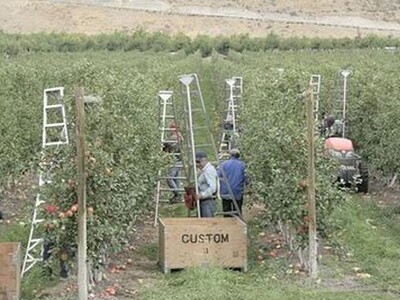
**California’s 2016 agricultural overtime law was meant to raise wages for farmworkers, but while some have benefited from the law, research suggests it has reduced overall earnings for farmworkers as employers shortened the workweek to keep their costs down.
Since the law was implemented, one Colusa County farmworker says she had lost a third of her work hours, saying suddenly, I couldn’t cover the electricity bill, and I couldn’t pay rent.
##After a winter that hit harder than anyone expected, freezing blossoms and fruit and bruising hopes, Florida blueberry growers are recovering from the chilly season.
University of Florida experts tell www.morningagclips.com, they’re coaxing every bit of sweetness they can from the surviving fruit, ready to deliver berries as vibrant and nutritious as ever.
Farmers are always trying to produce the best berries for the market.
Harvest runs March through May.
www.morningagclips.com/blueberry-growers-work-to-bounce-back-after-chilly-winter/
**The USDA and the Army Corps of Engineers announced a construction contract with Mortenson Construction to build a new sterile fly production facility at Moore Air Base in Texas.
This facility is a key part of the five-prong strategy by Ag Secretary Brooke Rollins designed to fight New World Screwworm.
The plan will expand USDA’s domestic response capacity, bolstering production for U.S. livestock, wildlife, and public health.
**U.S. farmers are bracing for a system shock resulting from the disruptions to shipping through the Strait of Hormuz (hor-MOOZ) and the impact on fertilizer availability and prices.
American Farm Bureau Federation President Zippy Duvall urged the Trump administration to intervene, laying out several recommendations.
A Farm Bureau analysis points out the large volumes of urea, ammonia, phosphates, sulfur, and petroleum produced in Gulf countries that move through the Strait of Hormuz.