

Potash disaster
For decades, governments have focused on energy security. Increasingly, they're being forced to confront something even more fundamental: food security.
The wars in Ukraine and the Middle East have exposed an uncomfortable reality. The world's fertilizer supply is concentrated among a handful of countries and vulnerable shipping routes. While headlines focus on oil, semiconductors and rare earths, one of the world's most strategic resources receives remarkably little attention.
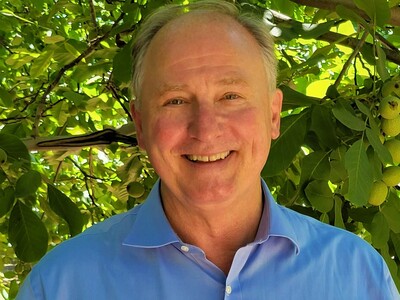
In a recent interview on The Prospector Podcast, Farhad Abasov who is Chairman of Millennial Potash, argued that fertilizer has quietly become a national security issue.
As Farhad explains, "For the first time in many decades, governments are realizing how important fertilizer is to food security."
He points out that the concentration risk is greater than most people realize. "Three countries control about 70% of the world's potash supply. If you add Israel and Jordan, five countries control roughly 80%."
The lesson, he says, extends well beyond agriculture. "Countries have assumed these commodities would always be available. Over the last five or six years, they've discovered there may be situations where they simply can't get them."
Perhaps his most memorable observation sums it up best: "Before we go out to kill each other, we have to eat."
Farhad can discuss why governments are beginning to treat fertilizer as a strategic resource, how recent conflicts have permanently reshaped global supply chains, why concentration risk has become a geopolitical issue, and what countries and businesses must do now to build more resilient food supply chains before the next crisis emerges.
Farhad is Chairman of Millennial Potash, which is advancing the Banio Potash Project in Gabon. Over the past 18 years, he has helped develop and finance international potash projects representing more than US$3 billion in transaction value and has become a recognized voice on the intersection of geopolitics, fertilizer markets and global food security. having appeared on CNBC in Asia and Africa and the BBC.