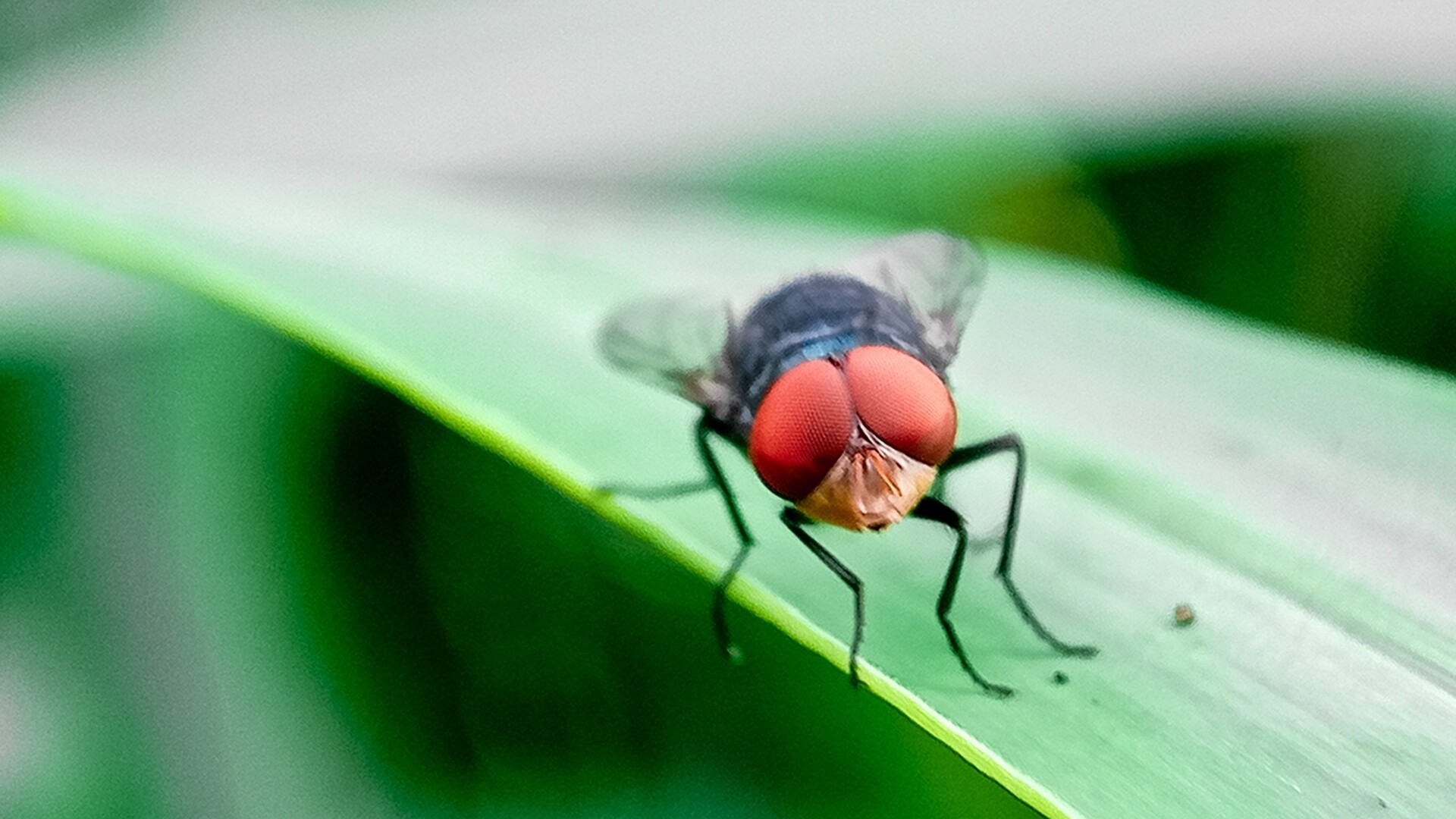
NWS Cases Less Than 100 Miles from U.S. Border
There are over 1,800 active cases of the New World Screwworm in Mexico, and 15 of those are now less than 100 miles from the U.S. border. Rear Admiral Michael Schroyer, the associate administrator of the Animal and Plant Health Inspection Service, said they’re trying to release a limited number of sterile flies in areas where they’ll do the most good.
“Right now, we're dropping flies mostly on the Gulf side, the northern Gulf side of Mexico. We have about 50 miles that these flies are also being dropped over the U.S. border in Texas, and so, when we make these decisions, we look at a variety of different data based on modeling, and we predict, we forecast, and we assess based on a variety of different things, including the temperature, the humidity, the altitude, and all of these different aspects, as well as looking at data that we get from, number one, cases that Mexico shares with us, as well as, number two, data that we get from traps in the area, as far as surveillance. All of those things come together and help us to determine where is the best use of our flies and how can we distribute what is a limited number that we have at this moment.”
Schmoyer is also the Director of the New World Screwworm Directorate and talked about the thought process behind the sterile fly distribution.
“So, our modeling, and we do this in conjunction with the Agricultural Research Service at USDA, looks at predictive analytics to forecast and model where we think the fly is going to go next. So, we take into consideration things like temperature, altitude, and humidity, but we also take into consideration all of those different things that are data sources for us, and so, by and large, the majority of these data sources are provided to us by our partners in Mexico. What we do is we anticipate not where the fly is right now, but really, where the fly can be moving towards. And so, in an over-leaning of preparation, we lean forward aggressively as far as where we disperse our flies beyond where we know the flies to be, but where they could be in a few weeks.”
If the screwworm does cross the border into the U.S., Admiral Schmoyer said officials are ready.
“The time that we have invested in our collaboration with state partners, including Texas, and looking at things like tabletop exercises we have done together, how would we address this situation if x happens? Who would be at the table if y was the situation? Those tabletop exercises are tremendously important that we've done with our state partners, number one. Number two, we have the new world screwworm playbook that is out. Version 1.0 is out. Version 2.0 is just about to be out. That has been developed with feedback and content from our state partners, as well as industry partners and other federal agencies. This is that element that helps to be able to say, boots on the ground, if this situation happened, how would we handle it?”
Source: NAFB