
Market Volatility, the New Norm?

Lorrie Boyer
Reporter
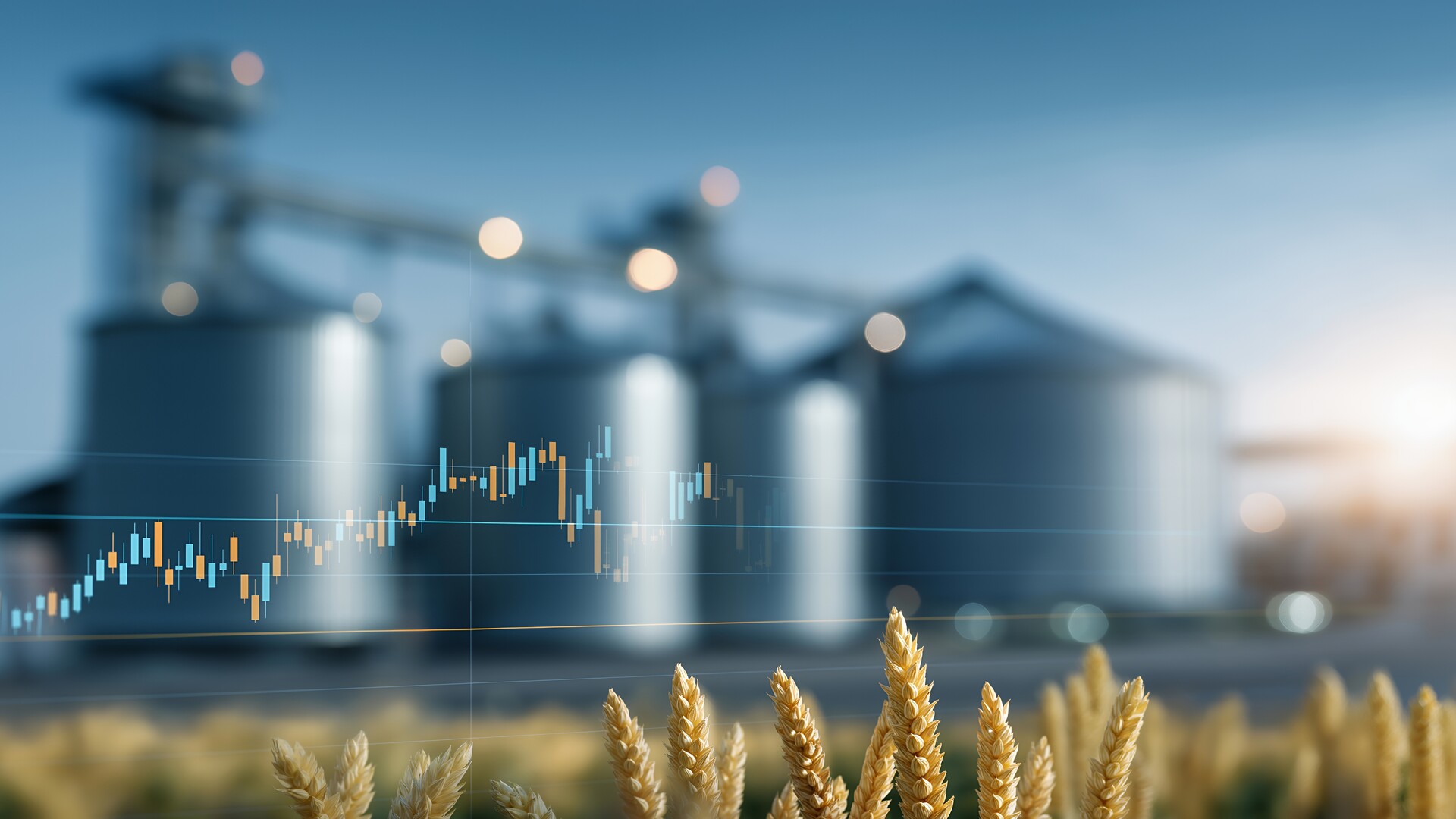
“From 1900 until today, looked at the, you know, the annual average farm gate price that USDA publishes and puts on the s and ds. And if you look at that, you can see very clearly over time, we move from different plateaus, if you want to put it, of prices. And typically until 2008 those plateaus, or those trading ranges, typically were about a buck, buck and a half at the most. And then in 2008 that all exploded, and that then, that range now is really kind of $4 it was kind of like four to $8 you could argue $3.50 to $8.
Nicholson says markets have hit both the top and bottom of a wide trading range twice, pointing to several factors driving the continued volatility.
“Countries who have to have food, because if they don't feed people, then that means governments don't stay in power. You also have more concentration, particularly corn soybeans. There's only two countries the world that really matter when it comes to production exports, and that's the United States and Brazil. I think that's why you've seen more volatility. And the fact is that you have, you know, this huge demand base that's been built that has to be supplied. And so if there's any change in that supply side,”
Which Nicholson says that equates to market volatility.