
Hormuz Open; Safety Concerns Limit Some Movement

Lorrie Boyer
Reporter
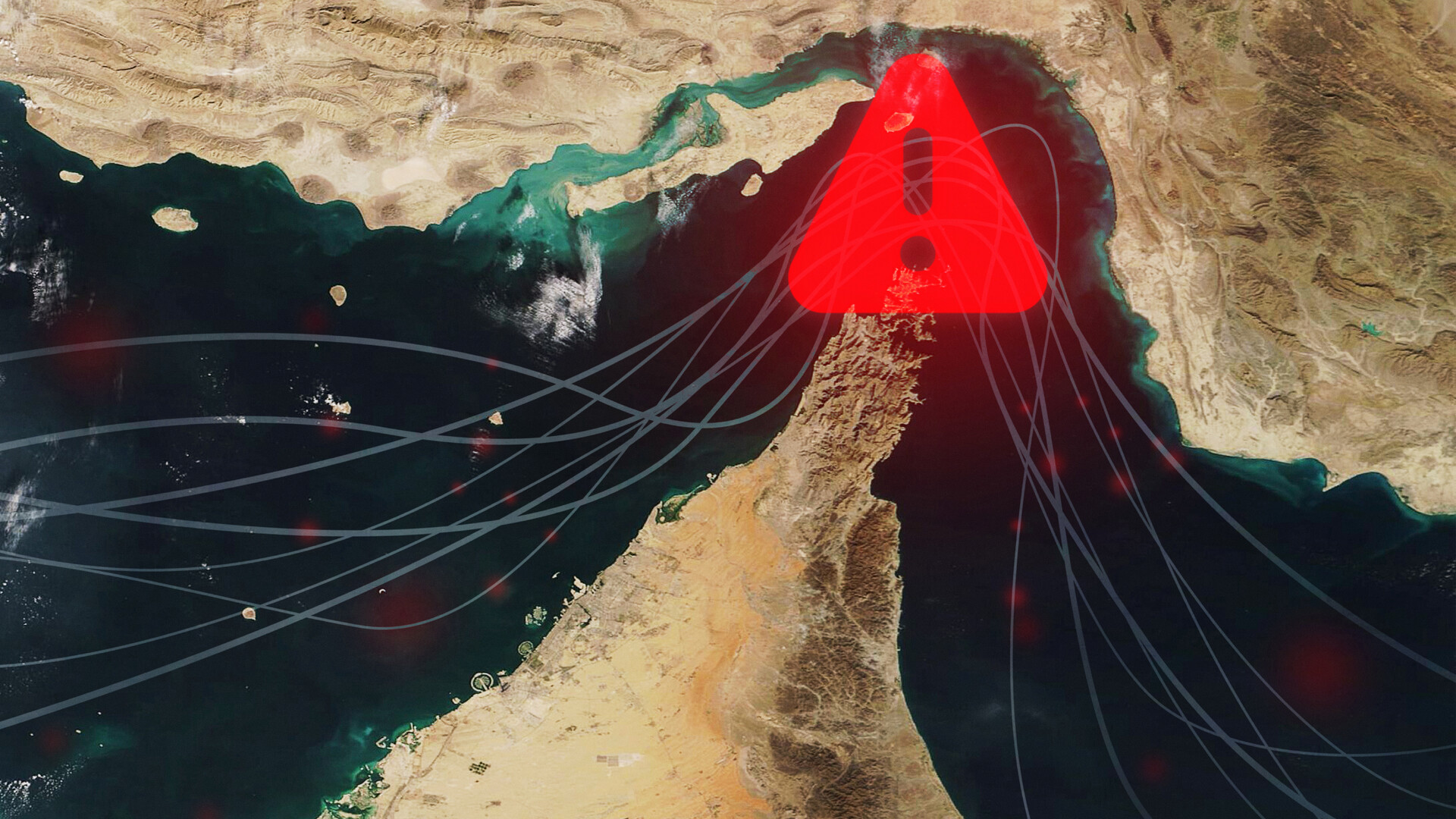
The Straight of Hormuz has become a major focus in global markets as disruptions have created bottlenecks that are driving input costs even higher. Stone X Vice President of Fertilizer, Josh Linville,
“You can say something's open, but if the industry isn't comfortable with the safety of what they're doing. They're not going to go ahead and open close. It doesn't matter if there's nothing flowing through. And that's what's really been it's these vessel owners have got a very, very difficult decision to make. They want to be moving. That's how they make money. There's loads to be hauling. They know that they're they need to be doing their job. But you think about, if you own this vessel, that vessel is worth millions upon millions of dollars as a massive investment that is a glaring target in a very narrow body of water. But worse, if you sail that ship, it's bad enough to lose that investment. It's worse if you got to call families and say, I'm sorry.”
And Linville talks more about high fertilizer prices.
“We have seen higher prices in the past. This is not the highest price that we are seeing for phosphate, for urea, for UAN. The issue is it's the grain prices have done nothing to reflect any of this. All of these prices are still very, very cheap, and that's what's pinching this farmer. You go back to like 2022 prices were higher, but they were getting so much more for that grain, it could help offset that situation. Well, now the fertilizer prices are extremely high, and n the flip side, the grain markets are like, though, that's not our problem. That's your problem, because at the end of the day, these markets are ruthless.”
Once again, Josh Linville, Vice President of fertilizer with Stone X.