Oregon Pear Grower Aid and American Farmland Pressures
From the Ag Information Network, I’m Bob Larson with your Agribusiness Update.
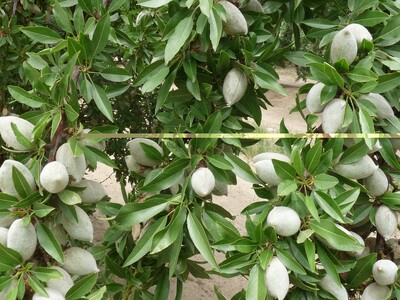
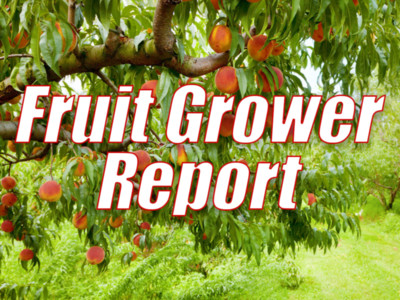
**Oregon Governor Tina Kotek has requested a Federal Disaster Designation from the USDA for pear growers in the Columbia River Gorge.
The catastrophic 2025 harvest season resulted in an estimated $40 to $45 million in losses and reduced grower revenues by roughly 50% in Hood River, Wasco and surrounding counties.
The primary drivers of the crisis include a pear psylla infestation, excessive summer heat, and low market values caused by global competition.
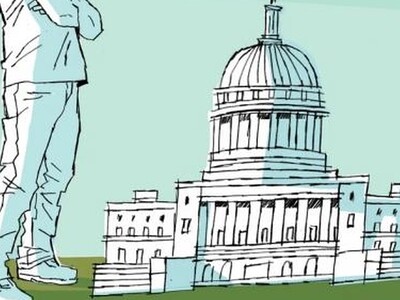
##North Carolina has enacted a new law barring certain foreign entities from purchasing agricultural land and property near military installations, citing national security concerns.
Governor Josh Stein signed the bill, known as the North Carolina Farmland and Military Protection Act.
The measure prohibits governments, companies and individuals linked to designated foreign adversaries, including China, Russia, Iran and North Korea, from acquiring land located near military bases in the state.
**Renewed fighting between the U.S. and Iran is raising concerns about higher fuel and fertilizer costs for farmers as tensions escalate around the Strait of Hormuz.
Oil and gas prices climbed after President Trump said the U.S. would continue military action against Iran following attacks on commercial ships.
The Strait is a key shipping route for global energy supplies and fertilizer, with about one-third of the world's crop nutrients moving through the waterway.
**America’s farmland continues to face pressure from development and ownership changes.
Since 1982, cropland, pastureland, and rangeland have declined, while developed land has increased by nearly 48 million acres, or 66%, a land mass roughly the size of Nebraska.
Over two million landowners rented out nearly 348 million acres for agriculture in 2024, controlling 79% of rented acres.
More than one-third of those landlords are age 75 or older.