
The Cost of Cosmetic Damage in Stone Fruit
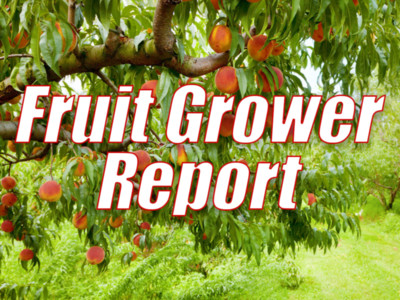
California is the undisputed heavyweight of U.S. stone fruit production, accounting for roughly three-quarters of U.S. production volume for peaches according to USDA. Whether it’s that traditional peach, a hybrid, a nectarine, or a plum, growers know skin discolorations can be a pain. Ryan McCoon of Cultiva…
“This year, with some of the challenges we’ve had in-season and certainly an expedited season that’s also seen rain, skin discoloration and issues like inking and staining are a very frequent issue not just for California every year but certainly a focal point this year in production. It doesn’t affect the tissue below the flesh of the fruit, but those symptoms even though they’re superficial or cosmetic render the fruit in some cases unmarketable but in more cases than not, certainly as a lower grade product.”
Superficial but detrimental. So what can we do?
“Starting early with cuticular supplements and starting with a product llike Parka early is really big in protecting stone fruit finishing. It strengthens that fruit cuticle and really supports a healthy cell membrane and stability at the epidermal level.”
That equates to increases in premiums and packouts. For more, visit Cultiva.com.