Your View Matters in Drought Tracking
Today brings a fresh look at drought conditions across the Southeast with the release of the latest U.S. Drought Monitor.
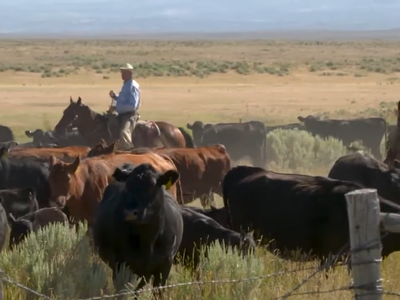
Whether you're watching pasture conditions in Alabama, crop moisture in Georgia, or drought concerns in parts of Florida, the map has become a familiar tool for agriculture.
But have you ever wondered what goes into those weekly drought designations?
The National Oceanic and Atmospheric Administration, better known as NOAA, recently took a behind-the-scenes look at the process. The U.S. Drought Monitor combines rainfall data with information on soil moisture, streamflow, groundwater levels, and local observations from experts across the country.
And here's something many producers may not realize: you can help.
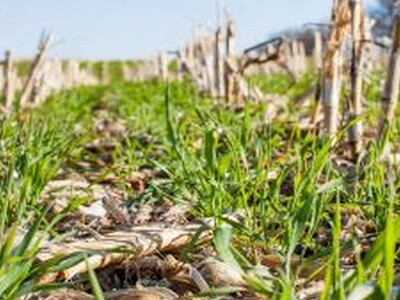
Through the Condition Monitoring Observer Report program, farmers, ranchers, and landowners can submit observations and photos showing what's happening on the ground in their area.
NOAA says those reports help drought experts compare what the data shows with what's actually happening in fields, pastures, and rural communities, helping paint a more complete picture of conditions across the country.
If you've ever looked at the Drought Monitor and thought, "that's not quite what I'm seeing here," here's how you can share your observations and become part of the process: https://droughtimpacts.unl.edu/Tools/ConditionMonitoringObservations.aspx
To see the latest Drought Monitor map, visit https://droughtmonitor.unl.edu/