
09/28/06 EU Trade Commissioner & Clarify Superfund

09/28/06 EU Trade Commissioner & Clarify Superfund

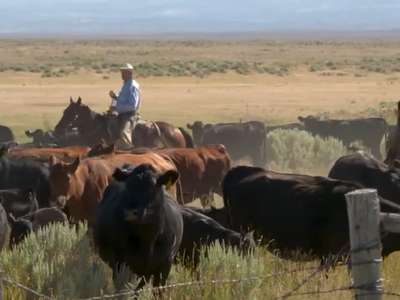
The European Union`s Trade Commissioner is in Washington D.C. Commissioner Peter Mandelson has plans to speak with U.S. Trade, Agriculture and Treasury officials - as well as farm-state lawmakers. On Wednesday afternoon - Mandelson met with Senate Ag Committee Chairman Saxby Chambliss. Chambliss says he spoke with Mandelson about the process of the stalled trade talks from his own perspective - and the perspective of farm bill policymakers in the U.S. Senate. And while Mandelson has pointed the finger at the U.S. - and expressed that it`s up to the U.S. to make the next move - Chambliss says U.S. lawmakers are waiting on the EU. CHAMBLISS: Obviously it's at a stalemate right now and I think it will continue there until we see real meaningful reforms coming out of the Europeans relative to the market access issue, that is the key. With only a few working days left before the pre-election recess, NCBA Vice President of Government Affairs Jay Truitt says cattlemen are urging Members of Congress to pass legislation that would clarify agriculture's exemption from Superfund regulations. Truitt says this legislation is necessary in light of recent lawsuits that attempt to apply Superfund regulations to manure in a manner that was clearly never intended by Congress. TRUITT: Well we have seen the Senate finally come together, kind of coalesce around a package and we do think we'll get the chance to see a vote on both sides or at least we'll get a chance to see enough activity that we can work on those packages as amendments in some other respect. Now with today's Food Forethought, here's Susan Allen. My Uncle who runs cattle near Wilcox Arizona is doing it, so are ranchers in the grass lands of the Dakotas, and even Wisconsin dairy farmers. Despite distinct differences in climate and forage many cattle producer are implementing management intensive grazing techniques and Groups like North Dakotas Grazing Management Mentoring Network are sharing their experiences through their state's Private Grazing Lands Coalition. Scientist's are convinced that rotational grazing, meaning more livestock in smaller pastures for shorter durations is better for the land, cattle and wildlife. Implementing this one North Dakota rancher improved his root depth from 3-4 inches to 12 and 40 inches and watched his land remain green while neighboring land dried up. Well managed grazing also helps water infiltrate enabling plant growth and decreasing erosion. The message these cattlemen are sharing is that managed intensive grazing systems work and don't have to be labor intensive but do require diligent management to insure that correct frequency and stocking ratios are met Thanks Susan. That's today's Northwest Report. I'm Greg Martin on the Northwest Ag Information Network.
Previous Report09/27/06 More Watersheds & Farm Bill Caution
Next Report09/29/06 Electric Loans & Better Beef