
I'm Greg Martin with today's Northwest Report.
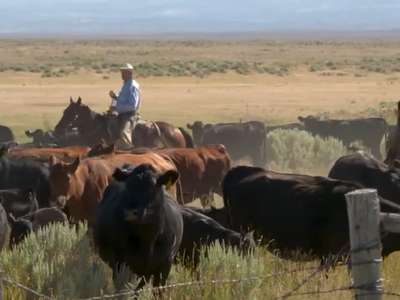
Test results have confirmed BSE in a Canadian beef cow. Officials have also confirmed that the animal was at least 15-years-old - meaning it was born well before the implementation of Canada`s ruminant-to-ruminant feed ban in 1997.
The Canadian Food Inspection Agency is conducting a comprehensive investigation - with investigators attempting to locate the birth farm to identify the animal`s herdmates and which feed it may have been exposed to at a young age.
According to CFIA officials - this most recent BSE case demonstrates the effectiveness of Canada`s surveillance program. The Agency has tested 115-thousand animals since Canada`s first case in 2003 - and is confident the level of BSE in the national cattle herd is very low.
U.S. beef likely won`t be making its way back into South Korea before the month is over. According to a South Korean ag official - experts in the country are still questioning the measures American meat processors use to ensure product safety. That uncertainty is despite USDA`s proposed changes for U.S. meat processing facilities.
Since South Korea only allows beef from Australia, New Zealand and Mexico into the country - facilities that butcher foreign cows along with those raised in the U.S. represent a major obstacle to the resumption of beef trade. The South Koreans are not satisfied the U.S. can differentiate between Canadian and U.S. beef.
Now here's today's Washington Grange Report.
(GRANGE)
That's today's Northwest Report. I'm Greg Martin on the Northwest Ag Information Network.