

More Tyson Closures and Produce Imports Impacting Domestic Production
From the Ag Information Network, I’m Bob Larson with your Agribusiness Update.
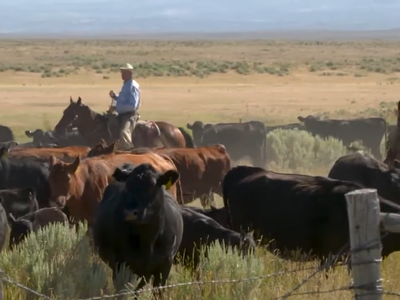
**Tyson Foods will close two beef facilities and seek a buyer for a third as the company restructures its beef operations in response to historically tight U.S. cattle supplies.
Meatingplace's Chris Moore reports the company said it will end operations at its Joslin, Illinois and Eagle Mountain, Utah facilities.
Tyson also is pursuing the sale of its Pasco, Washington beef facility.
Capacity from the closing facilities will be shifted to other Tyson locations.
##More than 700 Alabama farmers wandered on down to Mobile Bay for the Alabama Farmers Federation Farm & Land Conference earlier this month.
American Farm Bureau President Zippy Duvall was the keynote speaker, reminding farmers of their stories’ strength and the importance of sticking together.
Duvall’s words of encouragement followed two days of state commodity committee elections, educational workshops and farm tours across southwest Alabama.
www.alfafarmers.org/mobile-bay-hosts-farmers-for-summer-tours-workshops/
**Labor, input and regulatory costs have climbed sharply, making it harder for domestic produce growers to recover costs, invest in operations, and meet demand.
Since 2010, U.S. fruit production has declined 32% and vegetable have fallen 10%, while fresh fruit and vegetable IMPORTS have each increased about 70%.
Foreign supply still supports important seasonal gaps and year-round demand, but IMPORTS are arriving in greater volumes during active domestic seasons, creating lower-cost competition.
**Fertilizer prices are expected to remain above pre-Iran war levels through 2028, according to CoBank’s Knowledge Exchange.
CoBank economist Jacqui Fatka says Middle East instability, tight supplies, and limited phosphate availability could keep prices elevated into or beyond 2027.
The Middle East supplies more than 60 million tons of fertilizer and raw materials annually.
The region also accounts for more than 30% of global urea exports.