

Beyond Predation: Researchers Study Wolves' Impact on Cattle
Two new UC Davis studies suggest California's returning gray wolves may be affecting cattle in ways that go beyond confirmed livestock deaths.
Researchers collected scat from the Lassen and Harvey wolf packs in northeastern California during the summers of 2022 and 2023. They found cattle DNA in 72 percent of samples, making cattle the most frequently detected food source. Mule deer DNA appeared in 45 percent.
The results do not show whether wolves killed the cattle or scavenged carcasses. But lead author Tina Saitone says livestock make up a major part of the wolves' diet, possibly because California wolves have fewer wild prey options than populations elsewhere.
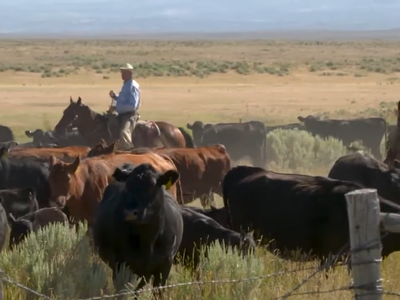
A second study examined stress in beef cattle grazing in wolf territory. Tail-hair samples showed cortisol levels were 58 percent higher than in cattle from areas without wolves.
Researchers say that confirms predation is not the only potential impact. Their next question is whether chronic stress could affect conception rates and ranch profitability.
For more details on these studies, visit https://ucanr.edu/blog/food-blog/article/wolves-cattle