
Keeping cattle cool

Keeping cattle cool

David Sparks Ph.D.
David Sparks Ph.D.
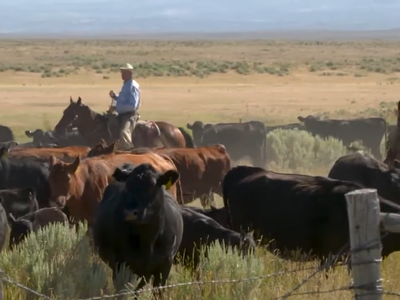
As parts of the country in recent weeks have experienced off and on extreme heat events for cattle producers. Preparing now for what may be a long summer for livestock will protect herds from potential heat stress and related issues. Speaker 2: The plan here is to be ready with shades, to be ready, with sprinklers to be ready with bedding. Speaker 1: That's University of Nebraska extension livestock specialist Alfredo Di Costanzo. He says when it comes to managing heat stress in cattle. Speaker 2: It's a very comprehensive approach, which in many cases we need to start thinking about this very early on in the time period. Speaker 1: Or when a locale or region has a break between extreme heat events. Speaker 2: What management is trying to do is to increase the sensible heat loss, which is if one can imagine a molecule of air trapped on the surface of the hair of an animal, that molecule must exchange the internal heat with the external conditions. So if externally we're looking at heat on heat, then there is no exchange of heat and that heat remains in the animal, he notes. Speaker 1: Shade is the most important aspect of heat stress management in cattle, but just as essential. Speaker 2: On an open feedlots, we're hoping for the cooling effect of wind. Speaker 1: Wind is also a factor in determining sprinkler use as a heat stress management tool. Speaker 2: I am pretty cautious with recommending sprinklers because they can actually make matters worse. We need the air movement to be able to have effectiveness of wetting the coats of these cattle. If it's a still day with solar radiation, high temperature, high humidity, and we wet cattle, it's going to take a breeze to be able to create that conductive heat loss, which we're looking for.
Previous ReportSpud Daddy