
South Korea Trade Unacceptable & More Broadband Support. I'm Greg Martin with today's Northwest Report.
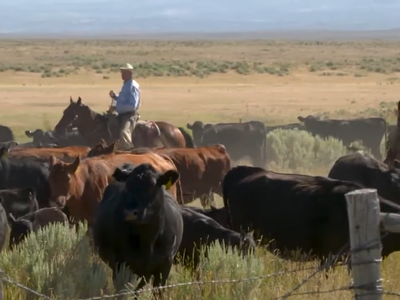
The National Cattlemen's Beef Association says a limited resumption of trade with South Korea is unacceptable - and pending free trade talks must resolve all outstanding beef issues. The Koreans are currently accepting strictly boneless beef - though USDA is trying to win some flexibility on bone chips - cartilage and muscle membrane. NCBA Vice-President Jay Truitt says his group is focused on long-term restoration of full trade with South Korea through a free trade deal - one that's separate - but related to - current efforts.
TRUITT:
USDA`s Rural Development is making nearly 210-million dollars in broadband and telecommunications loans available to communications firms in four states. U.S. Deputy Ag Secretary Chuck Conner made the announcement Thursday. The loans will help provide new and improved telecommunications services for more than 40-thousand subscribers. Conner says improved communication service in rural America can improve access to education services and provide for increased job opportunities. Since the beginning of the Bush Administration - USDA`s Rural Development has invested more than 76-billion dollars in business development, technology infrastructure and much more. USDA says some 1.5-million jobs have been created or saved as a result of these investments.
Now with today's Food Forethought, here's Susan Allen.
I see it nearly everywhere I ride, it is invasive, destructive and it's presence makes me ill . It's knapweed. Despite what many good environmentalists naively believe all the hand pulling in the world is just not going to get rid of it. Invasive pest scientists and extension department are diligently researching new methods to irradiate nasty knap the latest, now dubbed 'dip and clip." Dip and Clip is currently being tested in the environmentally sensitive Lake Tahoe area region that historically has been reluctant to allow any herbicides application for noxious weed control. The dip and clip method initially appears as labor intensive as hand pulling as it requires the applicator to clip the knapweed down to the base and apply herbicides on the remaining stems. This is followed up the following year with even smaller herbicide application on plants that survived the first dosing until native species again gain a foothold. Dip and clip will never work in the remote wilderness but in areas easily accessed by the public it could prove a viable solution.
Thanks Susan. That's today's Northwest Report. I'm Greg Martin on the Northwest Ag Information Network.