
Tariff Questions
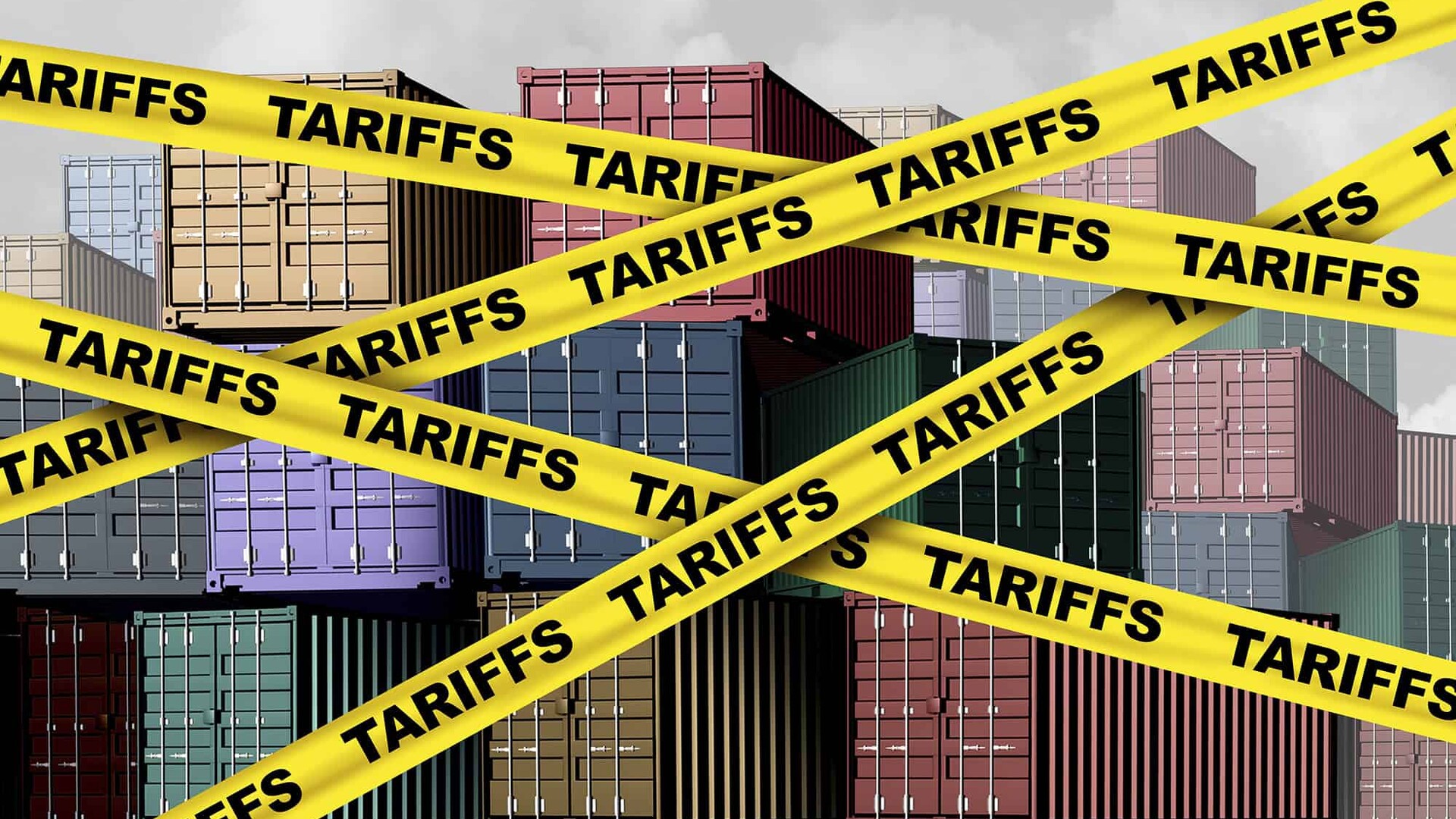
From the Ag Information Network, I’m Bob Larson. President Trump’s temporary tariffs to replace those the Supreme Court struck down are a bridge back to highly discretionary levies, according to trade experts.
Former USTR Assistant General Counsel, Patrick Childress, says the window on Trump’s short-term tariffs will close quickly, before stiffer ones are back …
CHILDRESS … “We have 150 days at most before these Section 301 investigations conclude, and we expect that once those 301 investigations conclude, those tariff rates are going to snap right back to pre-Supreme Court decision levels.”
Perhaps more quickly for China and Brazil, where 301 cases are underway.
Emily Blanchard is an associate business professor at Dartmouth …
BLANCHARD … “The big news for firms is ‘nope,’ as of Friday, it is very clear that the administration is going to continue to pursue these high tariffs through other tariff authorities, and probably Section 301, 232, what have you.”
Leaving current and future uncertainty over tax revenue, refunds, and trade deals made or stalled by recent developments.
But not uncertain is the president’s intentions, voiced by Ag Trade Negotiator Julie Callahan …
CALLAHAN … “Access to the U.S. market should not be considered a given or a right. And a lot of our trading partners in the past have felt that they could treat American companies and American farmers as badly as they wanted, and they would still have access to our market.”
Callahan argues reciprocal tariffs have been a “game changer,” opening multiple markets at a time for meats, dairy, crops, and biofuels that had been closed for decades.