
Search: greenhouse gas
15 Results
15 Results

Line on Agriculture
Growth Energy CEO Emily Skor discusses the 45Z tax credit, emphasizing its flexibility and eligibility to support innovative farming and ethanol production practices. The Department of Energy's updated GREET (Research and Development Greenhouse gases, Regulated Emissions, and Energy use in Technologies) model now calculates the carbon reductions from farming methods such as cover crops and no-till farming, marking the first federal recognition of these practices. The model will be further update

California Ag Today
California announces new federal funding to help dairy farms cut methane emissions and improve water quality statewide.

California Ag Today
California’s push to expand organic acreage faces real-world resistance from farmers navigating high costs, tight labor, and tough market conditions.

Idaho Ag Today
It might be the first thing you think of when you hear the word cooperative, as in a cooperative business, rural electric cooperatives.

Farm of the Future
Agricultural soils have the capacity to sequester massive amounts of carbon, but is it really financially feasible to do so?
Southeast Regional Ag News
According to the latest data from the USDA’s Economic Research Service, farming activities in the United States accounted for some 10.6% of greenhouse gas emissions in 2021.

Line on Agriculture
After a long wait, Sustainable Aviation Fueld Producers have information on how tax credits will be calculated and issued.

Line on Agriculture
Growth Energy General Counsel, Joe Kakesh

Line on Agriculture
Growth Energy General Counsel, Joe Kakesh

Line on Agriculture
Dr. Kim Stackhouse-Lawson, director of the CSU Agnext Program
Southeast Regional Ag News
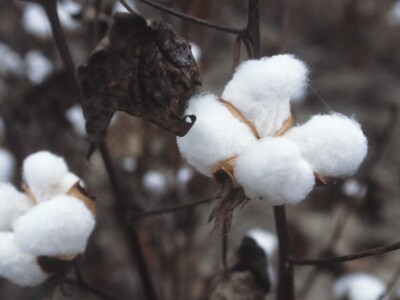
Over the past 50 years, the cotton sector has reduced land use by 30%, cut soil loss by 45%, and reduced water consumption by 58%.
Southeast Regional Ag News
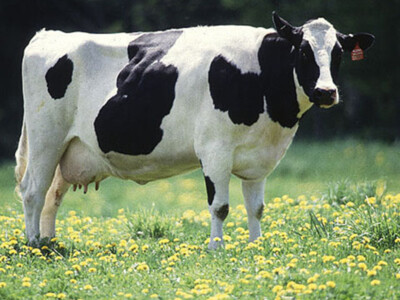
New Zealand farmers recently gathered in towns and cities across the country to protest against the government’s plan to tax “agricultural emissions.”
Southeast Regional Ag News
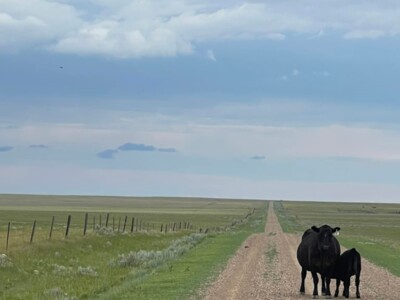
American Farm Bureau Federation Vice President Scott VanderWal testified to the Senate Environment and Public Works Committee Wednesday to express his support.
Southeast Regional Ag News
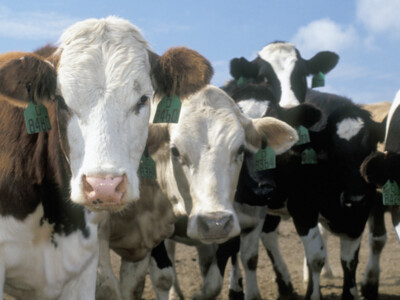
Researcher say that using brewer's yeast as a feed additive may lead to a reduction in methane gas emissions from cattle.
Farm of the Future
Research at UC Davis is showing significant reductions in greenhouse gas emissions with seaweed-based feed additives.