

Search: Ports
1754 Results
1754 Results
California Ag Today
The Great American Cotton Plan aims to strengthen demand for U.S. cotton while expanding crop insurance options for growers in 2027.

The Agribusiness Update
Data center development is drawing growing concern across party lines, particularly over farmland, water, and electricity costs, and U.S. agricultural exports generated $369.2 billion in total economic activity in 2024.
The Agribusiness Update
A federal judge has ordered the USDA to halt certain office closures and employee relocations tied to its reorganization, and additional beef imports under the President’s temporary tariff-rate quota fell well short of the first monthly target.
California Ag Today
Strong demand from Taiwan and South Korea boosts August beef export value, while trade barriers continue to weigh on the broader market.
The Agribusiness Update
Washington state ranks #13 nationwide, importing nearly $4-billion in food and beverages each year, 1.9% of the U.S. total, and sales of agricultural tractors and combines declined in both the U.S. and Canada in September compared with the same month a year earlier.
Washington State Farm Bureau Report
The Trump administration’s plan to import 300,000 metric tons of tariff-free foreign-grown beef may not be having the anticipated impact.
California Ag Today
Cotton leaders are watching potential tariff relief as dairy, poultry and other agricultural products also make the list.

Line on Agriculture
The 2018 Farm Bill’s expiration has put new Conservation Reserve Program contracts and some other agricultural programs on hold. Meanwhile, sulfur supply concerns—including restricted exports and disruptions to global trade—are creating uncertainty for farmers, even though sulfur-based fertilizers were unexpectedly cheap this summer.

Fruit Grower Report
You’ve undoubtedly heard the reports or warning that we’ve now shifted into a Super El Niño situation after four years of declared drought, but will it be as bad as some suggest?
Line on Agriculture
The Trump administration is considering increased potash imports from Belarus. Ag Fertilizer expert does not believe this is feasible for US growers.
Golden Triangle ICE raid disrupts cattle processing.
Read More The Agribusiness Update
Chinese President Xi Jinping met with President Trump in Washington last week and agreed to extend their trade truce through Jan. 10, and record-high diesel prices are pressuring farmers while the Trump administration considers whether restricting diesel exports could provide relief.
California Ag Today
Three weeks of Farm Bureau data show little change at the meat counter following the White House quota expansion.
Line on Agriculture
USMEF is accelerating efforts to reintroduce U.S. beef in Saudi Arabia after restrictive EV feed-traceability barriers were lifted.
Separately, USDA directed the National Dairy Promotion and Research Board to halt funding for environmental science/governance, net-zero, and climate-neutrality projects, refocusing checkoff dollars on long-term producer value following a related lawsuit.
Read More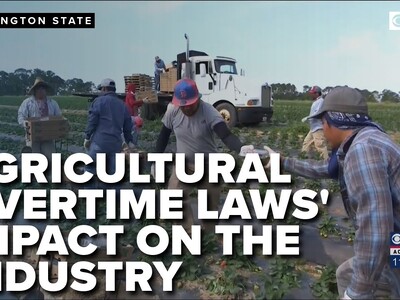
Fruit Grower Report
A new study appears to support farm sector fears about Washington state’s ag overtime law and the damage it’s done.
Southeast Regional Ag News
July export volume stayed flat while U.S. beef export value gained 6 percent.

Fruit Grower Report
About 30% of Washington's apple crop is exported each year, with Asian countries making up the most significant regional destination.
California Ag Today
July beef export volume held steady, but stronger global demand pushed export value higher.
Idaho Ag Today
The University of Idaho will host the annual meeting of a national group of dairy economists Sept. 23-24 in Twin Falls.

Line on Agriculture
Executive orders aim to support ranchers but stop short of reinstating mandatory COOL. The National Farmers Union is urging Congress to act, noting a Senate Farm Bill amendment would restore COOL.
In a follow-up, the administration authorized 300,000 metric tons of lower-tariff beef imports over 90 days to ease prices. Now we know where the beef will come from.
Read More