

Search: tariff
747 Results
747 Results

Fruit Grower Report
About 30% of Washington's apple crop is exported each year, with Asian countries making up the most significant regional destination.

The Agribusiness Update
The U.S.–Canada trade dispute is creating new concerns for American farmers as retaliatory tariffs and import restrictions kick in, and the 2026 wheat harvest continues to make progress, with hard red winter wheat now complete and soft white wheat nearing the finish line.

Line on Agriculture
Executive orders aim to support ranchers but stop short of reinstating mandatory COOL. The National Farmers Union is urging Congress to act, noting a Senate Farm Bill amendment would restore COOL.
In a follow-up, the administration authorized 300,000 metric tons of lower-tariff beef imports over 90 days to ease prices. Now we know where the beef will come from.
Read More
Southeast Regional Ag News
Farm Bureau says the answer is far from certain.
Washington State Farm Bureau Report
Farmers and ranchers are bracing for the impact of President Trump’s plan to allow beef imports to increase by 660-million pounds over a 90-day period.

California Ag Today
Farm Bureau analyzes the impact of the expanded tariff-rate quota.
The Agribusiness Update
U.S. dairy producers are stepping up efforts to increase the protein content of milk due to changing market incentives and global demand, and Canada’s retaliatory tariffs may not be directly aimed at American farmers, but ...!
Washington State Farm Bureau Report
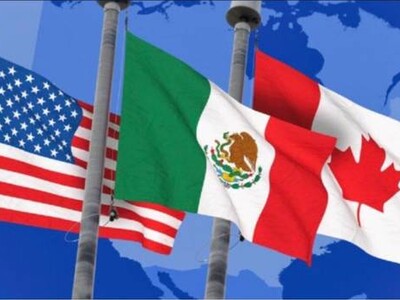
The U.S. and Canada announced dueling tariffs on imports going back and forth between the neighboring countries after U.S.-Mexico-Canada Agreement negotiations broke off.
Line on Agriculture
President Donald Trump's proclamation to remove tariffs on 300,000 metric tons of imported lean beef trimmings has drawn criticism from some Republicans and the U.S. cattle industry, including the National Cattlemen's Beef Association.
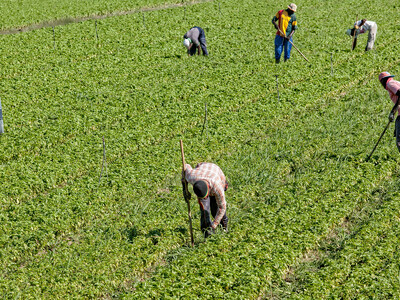
A federal judge has invalidated a Trump administration rule that would have lowered wages for some foreign farm workers, citing insufficient public input.
Read More The Agribusiness Update
Canada is escalating its trade fight with the U.S., announcing retaliatory tariffs on about $19.9 billion worth of U.S. goods, including dairy and agricultural equipment, and ag leaders say farm country is facing a serious crisis and farmers are increasingly afraid to speak publicly.
Line on Agriculture
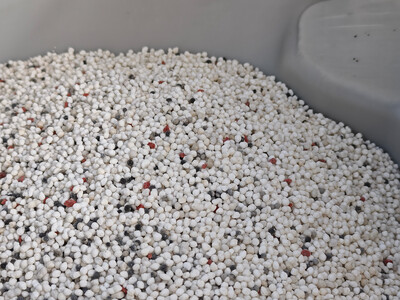
The U.S. livestock industry is concerned following President Trump's decision to remove import tariffs on beef, which could lower grocery prices but negatively impact domestic cattle producers. The AFBF, along with other associations, is communicating with the White House and Congress to oppose this move. Meanwhile, a new phosphate fertilizer plant in Wagaman, Louisiana, is set to reduce U.S. dependency on imported phosphate by up to 60%, producing 1.3 million metric tons annually. This developm

Line on Agriculture
Canada is retaliating against U.S. tariffs with new duties of up to 50% on American products, including fish, cheese, and milk, effective September 8.
Meanwhile, Guatemala is preparing to launch its E10 program, which could significantly boost U.S. ethanol exports, with the U.S. planning to increase ethanol production by an additional 1 billion gallons over the next 36 months. Japan and Mexico are also transitioning to E10, creating substantial new markets for ethanol.
Read More
Washington State Farm Bureau Report
U.S. farm exports face possible retaliatory Canadian tariffs after talks between the two nations collapsed, triggering 50% U.S. duties on many Canadian exports, including farm goods.
The Agribusiness Update
California lettuce was not implicated in a sprawling cyclospora outbreak that’s sickened thousands of people this summer, and American Farm Bureau President Zippy Duvall is urging the U.S. and Canada to return to the negotiating table.
The Agribusiness Update
During the Southeast Summer Conference in July, six state pork organizations announced the formation of the Southeast Pork Alliance, and American Farm Bureau President Zippy Duvall is urging the U.S. and Canada to return to the negotiating table.

Line on Agriculture
The U.S. border has resumed live cattle imports from Mexico, starting with the Douglas Port in Arizona. The reopening comes after Sonora confirmed its first case of New World screwworm. Additionally, there's a push to lower tariffs on 300,000 metric tons of foreign beef imports to support U.S. farmers and ranchers, as a 14-month closure led to over a million head of cattle remaining in Mexico.
The Agribusiness Update
California farmers, agribusiness leaders and state officials are urging the U.S., Mexico and Canada to extend and strengthen the USMCA, and the Agricultural Coalition for the USMCA is urging the Trump administration to exempt all products from new 50% tariffs on Canadian goods.
Line on Agriculture
President Trump announced a 90-day tariff-free import of 300,000 metric tons of ground beef.
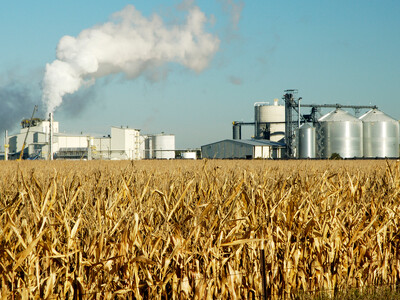
Brazil's ethanol industry expansion, driven by Chinese investment, is reducing Brazil's role in the global corn market.
Read More
Washington State Farm Bureau Report
Following through on his mandate that “no deal is better than a bad deal,” Canadian Prime Minister Mark Carney suspended U.S. trade negotiations and recalled his negotiators late Friday.
The Agribusiness Update
Canadian Prime Minister Mark Carney called steep new U.S. tariffs on $20 billion worth of his country’s goods “a miscalculation” after trade talks with Canada collapsed, and the National Cattlemen’s Beef Association criticized a social media post by President Trump regarding beef imports.