
Cattle Herd Rebuilding Challenges

Lorrie Boyer
Reporter
“This is a time when we're trying to incentivize herd rebuild. We're trying to build confidence, not just in our established producers that are 30,40,50,60, years old, but those young producers that are trying to get in the business now, telling them, Hey, this is the best it's going to get. You shouldn't buy these cattle because they're too expensive, and it's going to get cheaper from here. That's exactly the wrong message to be sending right now. So we're hopeful that as we continue to educate, as we continue to play the long game here, good information is going to bubble to the surface.”
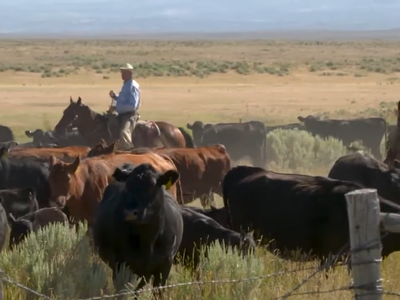
As most in the industry know, with tight cattle numbers in the US and higher beef prices at the grocery store, consumers are still enjoying the product, which is allowing for producers to reduce debt.
“What we see is consumers showing up, buying our product at scale, continuing to buy it, even at the current prices, and that their wage growth has outpaced that price of beef to the degree that we know that this is actually maybe even a slightly better deal than it was a year or two ago for them, even if it doesn't feel that way, but certainly disadvantaging our producers just when they're finally starting to catch a gear, pay down debt, buy some new equipment, and feel like They're on the high side of the cycle is really the wrong way to go with it.”
NCBA's Ethan Lane.