
Search: NWS
25 Results
25 Results

Southeast Regional Ag News
New Sonora, Mexico detection prompts additional animal movement requirements.

California Ag Today
Emergency authorization allows CLiK Extra wound spray for prevention in livestock and certain wildlife.

The Agribusiness Update
The Georgia Department of Agriculture warns ag community after receiving multiple reports of sophisticated online scams targeting farmers searching for farm equipment, and cattle groups support reopening of the southern border to live cattle from Mexico.
The Agribusiness Update
Researchers at Oregon State University have developed a low-cost, semi-automated, AI-driven method that uses remote cameras to survey bumblebees and other insects, and cattle groups support reopening of the southern border to live cattle from Mexico.
The Agribusiness Update
As the New World screwworm expands into the U.S. from Mexico, California’s pest exclusion leaders already have developed a response plan, and an agreement announced by John Deere and the FTC ensures farmers and ranchers will have access to the diagnostic and repair tools to help maintain and repair equipment.

Idaho Ag Today
The ISDA recently announced additional state entry requirements for animals in response to New World screwworm (NWS) detections

California Ag Today
New World Screwworm Grand Challenge supports California-led detection research as U.S. cases continue to mount.
The Agribusiness Update
Georgia Ag Commissioner announces enhanced interstate animal movement requirements for all warm-blooded animals entering Georgia from Texas, and the H-2A ag worker program continues to grow, with the DOL certifying 17% more jobs in the first half of fiscal 2026 than last year.

Southeast Regional Ag News
University of Florida, Auburn University, and NCBA are among recipients of funding through USDA's New World Screwworm Grand Challenge.
Washington State Farm Bureau Report
Now that New World Screwworm has made its way across our southern border and infected cattle in Texas and New Mexico, the question is, should we need to be worried about it up here in the Pacific Northwest?
Line on Agriculture
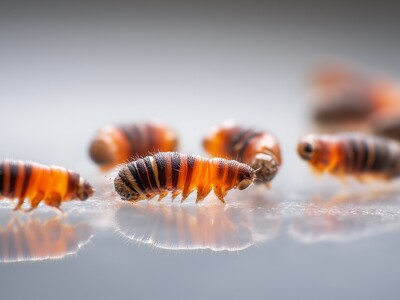
USDA Sec. Brooke Rollins visited the Texas ranch that had the first case of NWS in an animal since 1966.
The Agribusiness Update
Purdue Universities’ new ‘USMCA Affordability Study’ finds that tariff reductions under these trade agreements help lower food prices by roughly 7% of household food expenditures, and the USDA confirmed three additional cases of the flesh-eating New World screwworm.

Washington State Farm Bureau Report
New World Screwworm made its way into the U.S. last week, but National Cattlemen’s Beef Association CEO, Colin Woodall says his group was not caught by surprise at the announcement.

Southeast Regional Ag News
New animal movement requirements are now in place as Florida and Georgia work to prevent New World screwworm from spreading beyond Texas.
Line on Agriculture
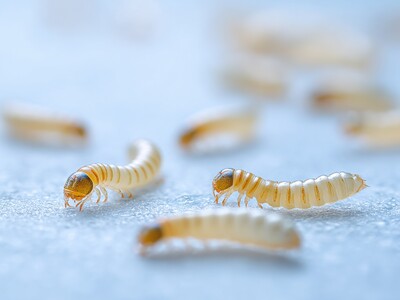
The first case of New World screwworm has been confirmed in Southern Texas, and the USDA says they are taking aggressive action to prevent further spread.

Washington State Farm Bureau Report
Wednesday night, the USDA received official confirmation of the first case of New World Screwworm in Texas.
Line on Agriculture
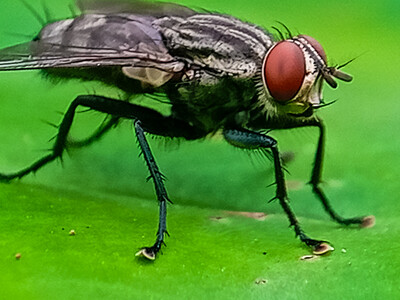
The latest New World Screwworm Prevention Update highlights major progress in expanding sterile‑fly production. A new facility under construction at Moore Air Force Base in Texas is expected to produce 100 million sterile flies by November 2027. Construction is also moving forward on a companion site in Mexico, while the long‑running facility in Panama continues to turn out 100 million flies each week.

Southeast Regional Ag News
Recent investments and expanded response tools reflect continued commitment to preventing the pest’s return.

California Ag Today
New sterile fly facilities and expanded treatment options are building on decades of work to protect U.S. livestock.
Line on Agriculture
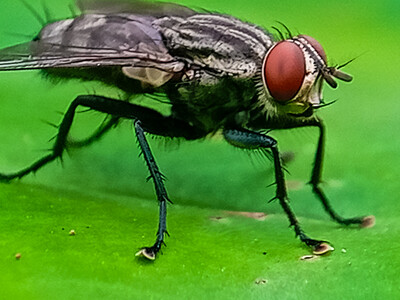
The USDA has shifted its strategy to combat the New World screwworm, which is approaching the U.S. border, by releasing sterile male screwworm flies 50 miles into Texas