

Search: pollinator
113 Results
113 Results

Idaho Ag Today
Back in 1922 U of I entomologists were sent to Parma to help local farmers address an outbreak of alfalfa weevil.
Idaho Ag Today
Celebration began for the one-hundredth anniversary of the University of Idaho’s Parma Research and Extension Center in Canyon County.
Southeast Regional Ag News
Agriculture officials say public reporting remains one of the best tools for limiting the pest's spread

California Ag Today
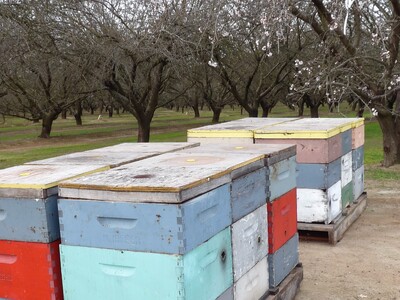
As bees settle in for the night, worker safety takes center stage in the almond orchard.

Washington State Farm Bureau Report
The Columbia Plateau cactus could be on its way to becoming Washington’s official state cactus.
Southeast Regional Ag News
Scientists find rising temperatures can change how monarch caterpillars respond to danger.

California Ag Today
New research shows rising temperatures can turn a monarch caterpillar’s best defense into a deadly risk.


California Ag Today
A new program offers almond growers free habitat seed to boost monarch butterflies, bees, and other pollinators essential to California agriculture.

Southeast Regional Ag News
State agriculture officials launch monitoring efforts after a feral swarm is found in Barbour County

Idaho Ag Today
Washington State University scientists working on developing robotic crop pollination technology received a nearly $1 million grant.

California Ag Today
Honeybee producers are kicking off 2025 with big losses.

Farm of the Future
Project Apis m. executive director Danielle Downey says bee losses ultimately boil down to what she calls the 4 P’s.
Farm of the Future
Project Apis m. was brought in to conduct a survey to assess how widespread the losses are throughout the industry.
Farm of the Future
When our nation’s beekeepers prepared to bring their bees out to California for almond bloom this year, they were alarmed at what they found.

California Ag Today
Reports from Project Apis m. and several industry groups indicate that average colony losses now exceed 50%, with some beekeeping operations experiencing losses as high as 100% in the past year.