
Oregon Cattleman Says Quality Western Cattle Continue to Stand Above the Rest
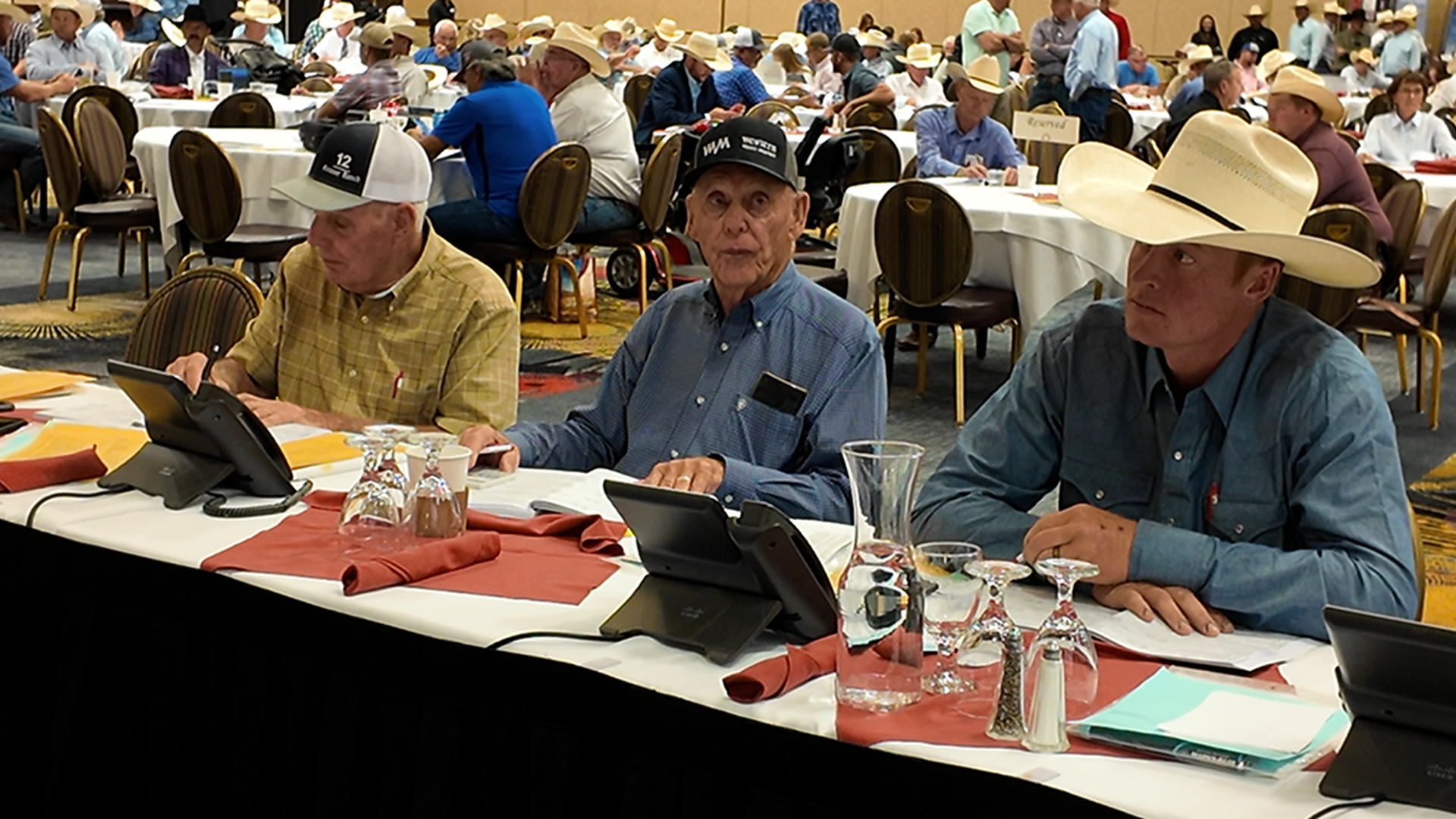
As buyers from across the country gathered for Western Video Market's Annual July Sale in Reno, Nevada, Oregon cattleman Paul Houret says one thing continues to separate Western cattle from the rest of the marketplace—their ability to thrive in some of the harshest environments in the country.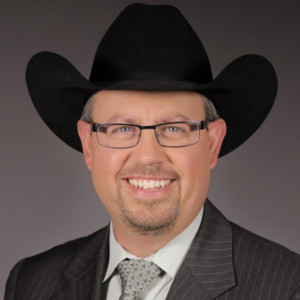
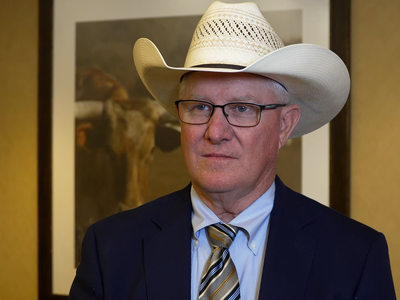
Houret, owner of Houret Cattle Company in Lakeview, Oregon, purchases cattle through Western Video Market for stocker operations in Oregon and a grow yard in Idaho. He says the annual July sale offers one of the best opportunities of the year to source large groups of high-quality cattle.
"This is Western Video Market's biggest sale," Houret said. "It offers some of the best cattle in the West with deliveries stretching from midsummer into the fall. We're here looking for calves for our stocker operations and cattle for our grow yard."
Health and Genetics Come First
When evaluating cattle, Houret says producers can improve marketability long before sale day.
"The health program and vaccination program have to be right," he said. "Everybody prefers to buy a weaned calf, but beyond that, they've got to have the genetics behind them and the performance potential whether they're going to grass or into the feedlot."
Those management decisions, he says, ultimately determine how successful cattle will be throughout the rest of the production chain.
Video Auctions Offer Consistency
Houret believes video marketing has transformed cattle procurement by allowing buyers to assemble larger, more uniform groups of cattle than would often be possible through traditional marketing channels.
"It's an opportunity to buy bigger strings of cattle with similar genetics, similar environments and similar management," he explained.
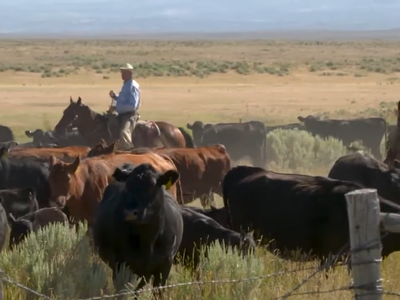
For his operation, calves raised on Western rangelands offer a distinct advantage.
"We like a light stocker calf that's been raised out on the desert," Houret said. "They're hardy and ready to go when we get them."
His philosophy is simple.
"If we can make every day better for that calf after we receive it, we're probably going to be successful."
Preparing Calves for the Next Step
Although record cattle prices have rewarded cow-calf producers, Houret says ranchers should never lose sight of preparing cattle for the next owner.
"Producers have to understand how to set calves up for success," he said. "It can't be, 'I've sold them, now they're somebody else's problem.'"
Instead, Houret encourages ranchers to think about the entire supply chain.
"If you prepare those cattle for the next step, they're going to stay in demand," he said. "The cattle that are ready to perform are the ones that have the greatest value."
The West Produces a Different Kind of Cattle
Houret says ranchers throughout the Western United States often operate under environmental conditions unlike those found elsewhere in cattle country.
"We're always dry," he said. "Other regions talk about drought, but in much of the West we're really just living under different degrees of drought all the time."
That challenging environment has shaped both cattle and the people who raise them.
"These cattle have to survive with limited inputs," Houret said. "The ranchers raising cattle across these big desert operations have to use the right genetics and produce cattle that are adapted to their environment."
It's those characteristics, he says, that continue attracting buyers from across the industry.
"When producers can match the right genetics with these Western conditions," Houret said, "they end up with a product that's in demand."
As competition for quality feeder cattle remains intense, Houret believes the fundamentals haven't changed. Healthy, genetically sound, well-managed calves raised in the rugged landscapes of the American West continue to command the attention—and the bids—of buyers looking for cattle that can perform from pasture to the feedyard.
Source: Ag Information Network/Western Ag Network