
EPA Seeks Input on Fungicide Strategy
The U.S. Environmental Protection Agency has released a draft Fungicide Strategy aimed at protecting federally listed wildlife and plants, while maintaining flexibility for farmers and applicators.
The agency is inviting public comment on the proposal, which it says is designed to provide practical, science-based protections for more than 1,000 species without removing critical crop protection tools from agriculture.
EPA officials say the effort is part of the agency’s responsibilities under the Endangered Species Act and federal pesticide laws, emphasizing that approved products must continue to meet strict safety standards.
At the core of the draft is a three-step framework: identifying potential impacts to species, outlining mitigation measures, and determining where those measures should apply. While the strategy itself does not impose new legal requirements, it will guide future decisions on pesticide registrations and reviews.
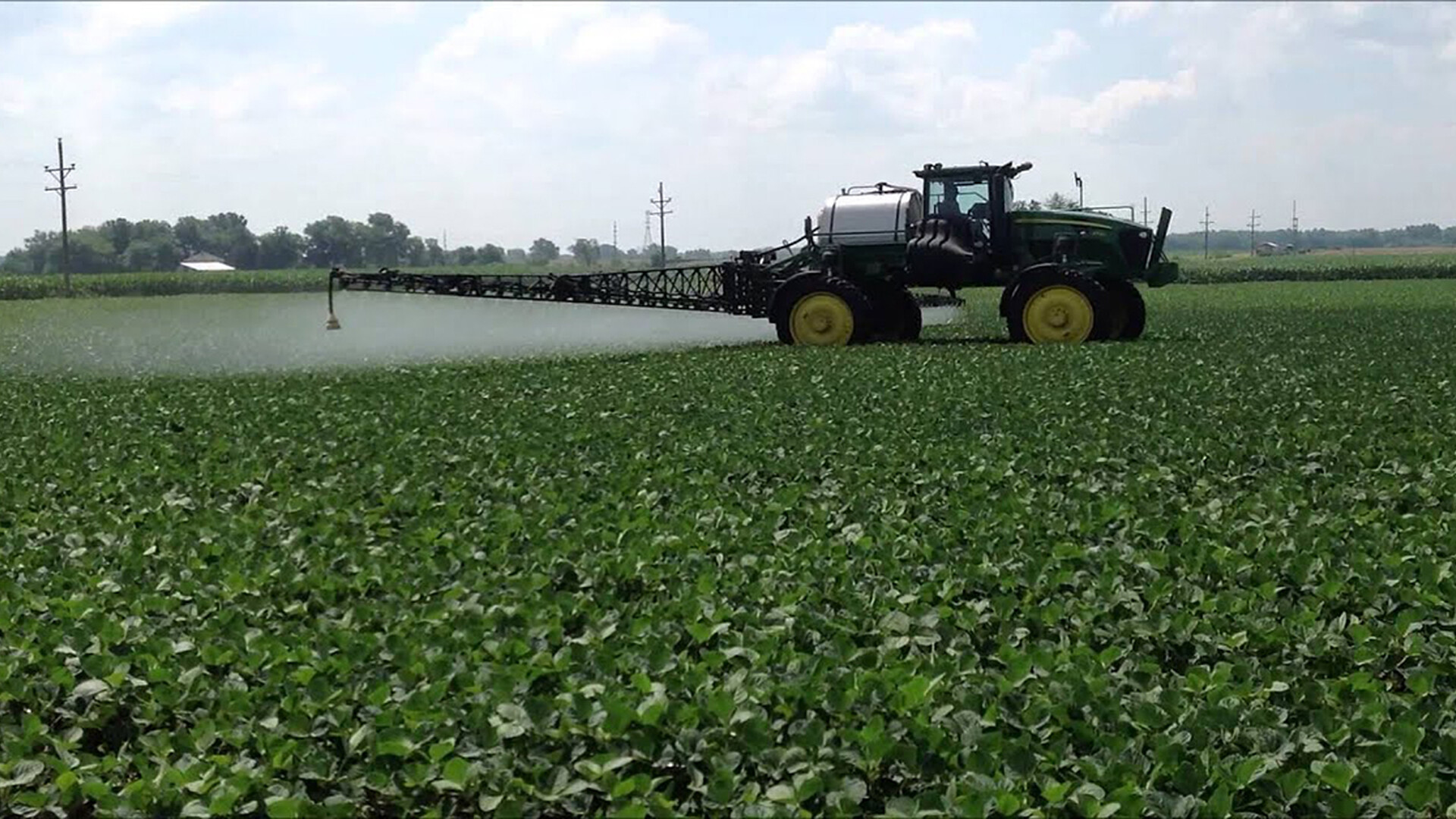
The proposal focuses on conventional agricultural fungicides used across the lower 48 states, where roughly 41 million acres are treated annually. EPA says its analysis considers where species live, how fungicides move through soil and water, and potential effects on non-target organisms.
The agency also highlighted updated mitigation options, including changes to spray-drift buffer guidance and expanded use of spray-drift adjuvants, such as guar gum. Officials say these updates are intended to give growers more flexibility while still protecting sensitive species.
EPA says the strategy builds on lessons learned from previous herbicide and insecticide plans, with a focus on clearer implementation and collaboration with federal, state, and Tribal partners.
Stakeholders have until June 29, 2026, to submit comments through regulations.gov. EPA will also host a public webinar on May 20 to walk through the proposal and answer questions.
The agency expects to finalize the Fungicide Strategy by November 2026, with the goal of balancing environmental protection and the continued availability of key disease management tools for farmers.
Source: EPA