LMA President says U.S. Cattle Industry Needs a Win—and a United Voice in Washington
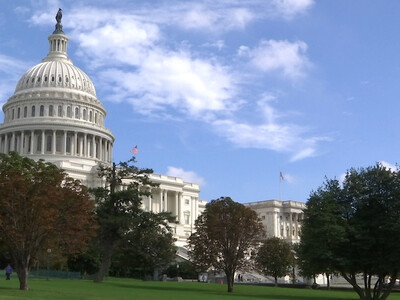
After months of listening to livestock producers across the country, the Common Ground Coalition is preparing to turn those conversations into action in Washington, D.C.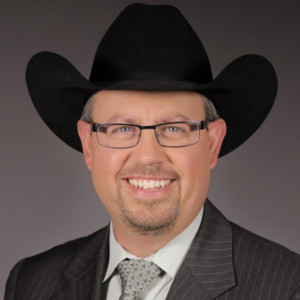
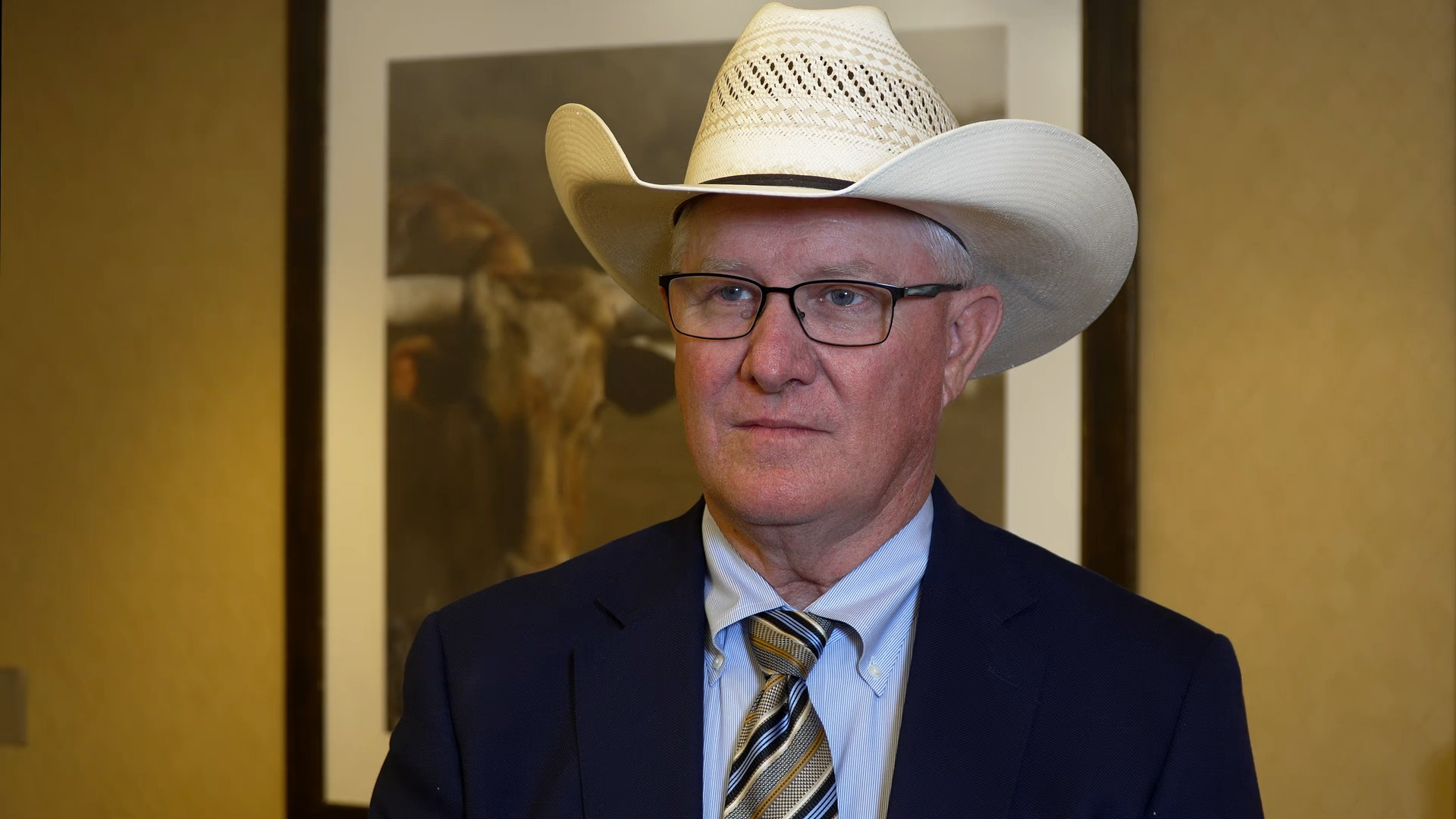
The coalition is gathered this week in Fort Worth, Texas, for its fourth and final regional summit, following meetings in Reno, Nevada; Omaha, Nebraska; and Nashville, Tennessee. Livestock Marketing Association President and Montana cattleman Joe Goggins said the goal throughout the regional meetings has been straightforward: listen to rural America and identify the issues that can unite producers.
"What does rural America need?" Goggins asked. "What do these producers that make a living selling grass, what do these producers that try to make a living with these cows and kids, what do they need? What do we need policy-wise to help these folks and incentivize them not only to be able to do this, but want to do this?"
Coalition Preparing to Take Priorities to Washington
With the four regional meetings completed, Goggins said the next step is for the Common Ground Coalition's founding members to review the ideas gathered across the country and narrow them down to a small number of priorities.
He hopes the coalition can identify one, two or three issues that producers across rural America can rally behind and take directly to policymakers in Washington.
"These people that signed on, they so want to help and know what we can do," Goggins said. "Hopefully we can prioritize one or two or three things that we can go to D.C. with and have rural America help us with that."
Goggins believes the timing is especially important.
"This industry needs a win," he said. "It's been a while since we've had a real win. And I think we've got the opportunity now to get some wins, but we've got to rally together."
Beef Imports Add Urgency to Industry Concerns
The Fort Worth gathering comes amid renewed concerns within the cattle industry about federal beef policy and imports.
Goggins pointed to a recent joint industry letter as evidence that livestock organizations are increasingly willing to put their differences aside when major issues arise.
"When you can get different industry groups to come together and realize the real value of coming together, real value of unifying, there's times for that," Goggins said. "And this is one of those times."
Goggins said many cattle producers are frustrated by the continued focus on high beef prices without equal attention being paid to the dramatic increase in costs required to operate today's farms and ranches.
"This beef is not too high. I'm not saying it's not high. Historically high, because it is, but so is everything else," Goggins said.
He argues that U.S. cattle producers have spent decades improving beef quality and creating the consistent eating experience consumers demand. Increasing reliance on imported beef, he said, risks undermining that progress.
"The consumer has proven they will pay for a high-quality, consistent eating experience," Goggins said. "The producers in the United States of America have done that."
Consumer Demand Sending a Message
Goggins pointed to beef demand trends as evidence that consumers continue rewarding quality.
He said demand for Prime beef is up 30 percent compared with last year, Choice demand is steady, while demand for Select beef is down 30 percent from 2025.
"That tells me the consumer will pay for a high-quality, consistent eating experience," Goggins said.
He worries that policies intended to lower grocery-store beef prices through additional imports may ultimately have unintended consequences for both producers and consumers.
A New Risk for America's Ranchers
Despite the uncertainty, Goggins remains optimistic about the underlying cattle market and believes cow-calf producers remain in a strong position because U.S. cow numbers remain historically tight.
"I still honestly believe the cow-calf man's in the driver's seat," he said.
But Goggins said today's producers are facing a type of risk previous generations rarely had to consider.
Historically, ranchers planned around two major uncertainties: market risk and environmental risk. Today, he believes geopolitical and government policy risk must be added to that list.
"Never in our lifetimes have we ever had to budget for geopolitical risk," Goggins said. "What is the government going to do to us? We've never had to plan for that as producers in the United States of America. And now we do."
Telling Rural America's Story
For Goggins, that uncertainty reinforces the mission behind the Common Ground Coalition.
He stressed that the effort is not designed to create another livestock organization. Instead, its purpose is to bring together a cross-section of producers and industry leaders who may disagree on some issues but can unite around priorities critical to the future of agriculture.
"That's really what this common ground movement is—is telling our story," Goggins said. "It's coming up with ways to go back there and convince these people, these policymakers in D.C., the importance of what we do, the importance of preserving this nation's food independence."
As the regional summit series concludes, Goggins believes the challenge now is turning months of producer conversations into a focused message—and ultimately action.
His concern is that without policies that encourage people to remain in cattle production, the U.S. livestock industry could continue getting smaller.
"This industry is going to shrink further," Goggins warned. "And that's not what this country needs."
To learn more about the Common Ground Coalition and to get involved, visit www.commongroundcoalition.net.
Source: Western Ag Network