

Search: Rice
1615 Results
1615 Results

Line on Agriculture
USDA’s World Agricultural Outlook Board trimmed its 2027 beef production outlook by 150 million pounds on lower 2026 placements and lighter slaughter weights. The USDA Farm Service Agency is now accepting ARC/PLC enrollments through December 11.

The Agribusiness Update
During the 2026 National Association of State Departments of Agriculture Annual Meeting, members elected Washington State Ag Director Derek Sandison as NASDA’s new President, and a federal judge considers a temporary pause on USDA plans to relocate employees across the country.
The Agribusiness Update
GFB’s I Farm. I Vote. campaign is encouraging Georgians to become informed, engaged and active participants in the electoral process, and a federal judge considers a temporary pause on USDA plans to relocate employees across the country.

Southeast Regional Ag News
Lower projected revenues and higher input costs put more pressure on Southeast crop margins.
The Agribusiness Update
Florida Ag Commissioner Wilton Simpson and the Florida Ag Hall of Fame announced their 2027 Hall of Fame Inductees, and high fuel prices are another financial headache for farmers.
The Agribusiness Update
Since 2023, declining wine consumption left California winegrape growers with an oversupply of grapes, forcing many to sell at a loss or watch it rot on the vines, and high fuel prices are another financial headache for farmers.


Idaho Ag Today
The Meyer Family Farm grows a lot of hay up on the Rotherham prairie. Kyle Meyer talks about some of the specifics of his operation.

California Ag Today
Improved crop revenue projections collide with record-high fertilizer and rising diesel costs.

Southeast Regional Ag News
A Florida study is putting volcanic rock dust to the test on cropland and cattle pastures.
The Agribusiness Update
Florida lawmakers are urging the Trump administration to address sharply higher sulfur prices that threaten domestic phosphate fertilizer production and increase costs, and China purchased about 1 million metric tons of U.S. soybeans last week, providing a boost to American growers.

Line on Agriculture
Executive orders aim to support ranchers but stop short of reinstating mandatory COOL. The National Farmers Union is urging Congress to act, noting a Senate Farm Bill amendment would restore COOL.
In a follow-up, the administration authorized 300,000 metric tons of lower-tariff beef imports over 90 days to ease prices. Now we know where the beef will come from.
Read More Idaho Ag Today
Idaho hop acres rebound a little….After plummeting the past two years.
The Agribusiness Update
President Trump signed two executive orders aimed at strengthening the U.S. cattle industry, and the Department of Justice is expanding its investigation into record-high beef prices.

Fruit Grower Report
It’s been a fantastic summer for many future college students from the tree fruit industry who are about to realize their dreams.

Southeast Regional Ag News
Farm Bureau says the answer is far from certain.

California Ag Today
Farm Bureau analyzes the impact of the expanded tariff-rate quota.
Line on Agriculture
President Donald Trump's proclamation to remove tariffs on 300,000 metric tons of imported lean beef trimmings has drawn criticism from some Republicans and the U.S. cattle industry, including the National Cattlemen's Beef Association.
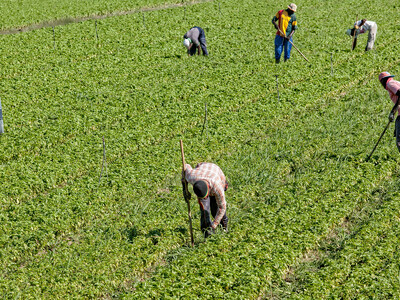
A federal judge has invalidated a Trump administration rule that would have lowered wages for some foreign farm workers, citing insufficient public input.
Read More Idaho Ag Today
Constellation announces $100 million investment that includes Idaho farmers.
Line on Agriculture
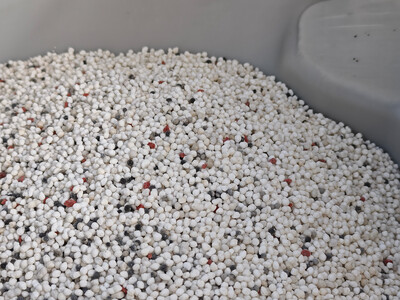
The U.S. livestock industry is concerned following President Trump's decision to remove import tariffs on beef, which could lower grocery prices but negatively impact domestic cattle producers. The AFBF, along with other associations, is communicating with the White House and Congress to oppose this move. Meanwhile, a new phosphate fertilizer plant in Wagaman, Louisiana, is set to reduce U.S. dependency on imported phosphate by up to 60%, producing 1.3 million metric tons annually. This developm